For decades, Europe was seen as the continent with the upper hand in its relationship with Africa. Europe had more money, stronger industries, better technology and greater political influence. Africa was often seen mainly as a ground for exploitation of raw materials but the world is changing. Today, Europe is facing problems that makes Africa more relevant than before. Europe needs Africa for its young population, natural resources, growing markets and strategic importance.
Europe’s biggest problem is its aging population. Most European countries have more older people and fewer young people entering the workforce. This is a threat for businesses, healthcare systems and pension systems. Unlike Africa which has one of the youngest and fastest-growing populations in the world.
According to the Carnegie Endowment, by 2050 Africa could add about 796 million people to its workforce, while Europe could lose about 156 million working-age people. Europe will need workers, while Africa will need jobs and investment for its young population. Both parties can benefit from legal migration, training and partnerships. Africans can find opportunities to work and develop skills, while European countries can fill jobs that they may struggle to fill in the future.
Europe is also moving towards cleaner energy and new technologies which Africa possesses richly. Electric cars, batteries, solar panels, wind turbines and digital technologies all need important minerals such as cobalt, lithium and rare earth elements. Africa has large amounts of these in countries such as the Democratic Republic of Congo, Zambia and Zimbabwe. This gives Africa an important position. Instead of simply exporting these minerals as raw materials, African countries can ask for investment in local processing and manufacturing. This would create jobs and industries in Africa, while giving Europe a more reliable supply of the materials it needs.
In relation to the aging population in Europe which will automatically decrease their market force, Africa will no longer only be a place where Europe can find resources but also a huge market.
Africa’s population is growing, cities are expanding and more people are joining the middle class. As this happens, people will need more banking services, phones, internet, healthcare, education, transport, housing and energy. European companies can benefit from this growing demand while Africa can benefit from European investment, technology and business experience.
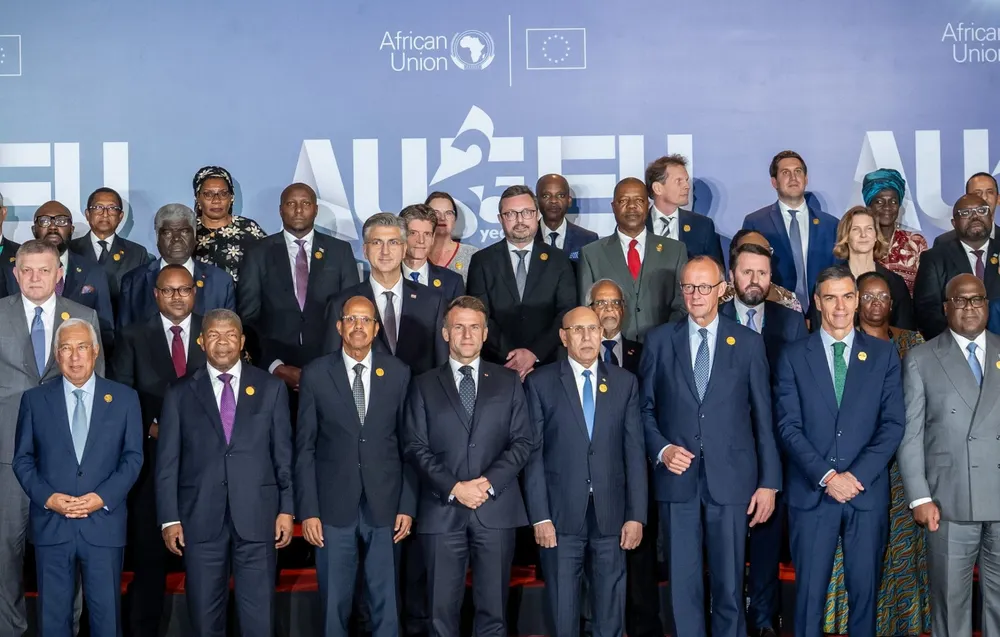
Another reason Europe needs Africa is geopolitics. Europe is no longer the only major power competing for African partnerships. China, Russia, India, Turkey and the Gulf countries are becoming more active across the continent. Europe is now an option in a multitude of others giving Africa room for choice making. Europe can no longer assume that its historical relationship with Africa will automatically give it influence.
If Europe wants strong partnerships with African countries, it will have to offer more than aid. It will need to offer investment, technology, trade opportunities and respect for African interests.
To close on this, Europe has always benefited from its relationship with Africa, but the balance is changing. Europe’s ageing population, need for critical minerals, search for new markets and growing geopolitical competition are making Africa more important than ever.
Africa also needs Europe, especially for investment, technology and access to markets. The future, therefore, should not be about Europe helping Africa or Africa helping Europe. It should be about two continents working together because each has something the other increasingly needs.