Schools across the country resumed on Monday, 7 September. This resumption, however, wears two faces, unlike ten years ago when it looked the same everywhere. The Anglophone crisis has dichotomized our educational calendar, and the two major linguistic regions now face a new and different reality that has hardened into the norm.
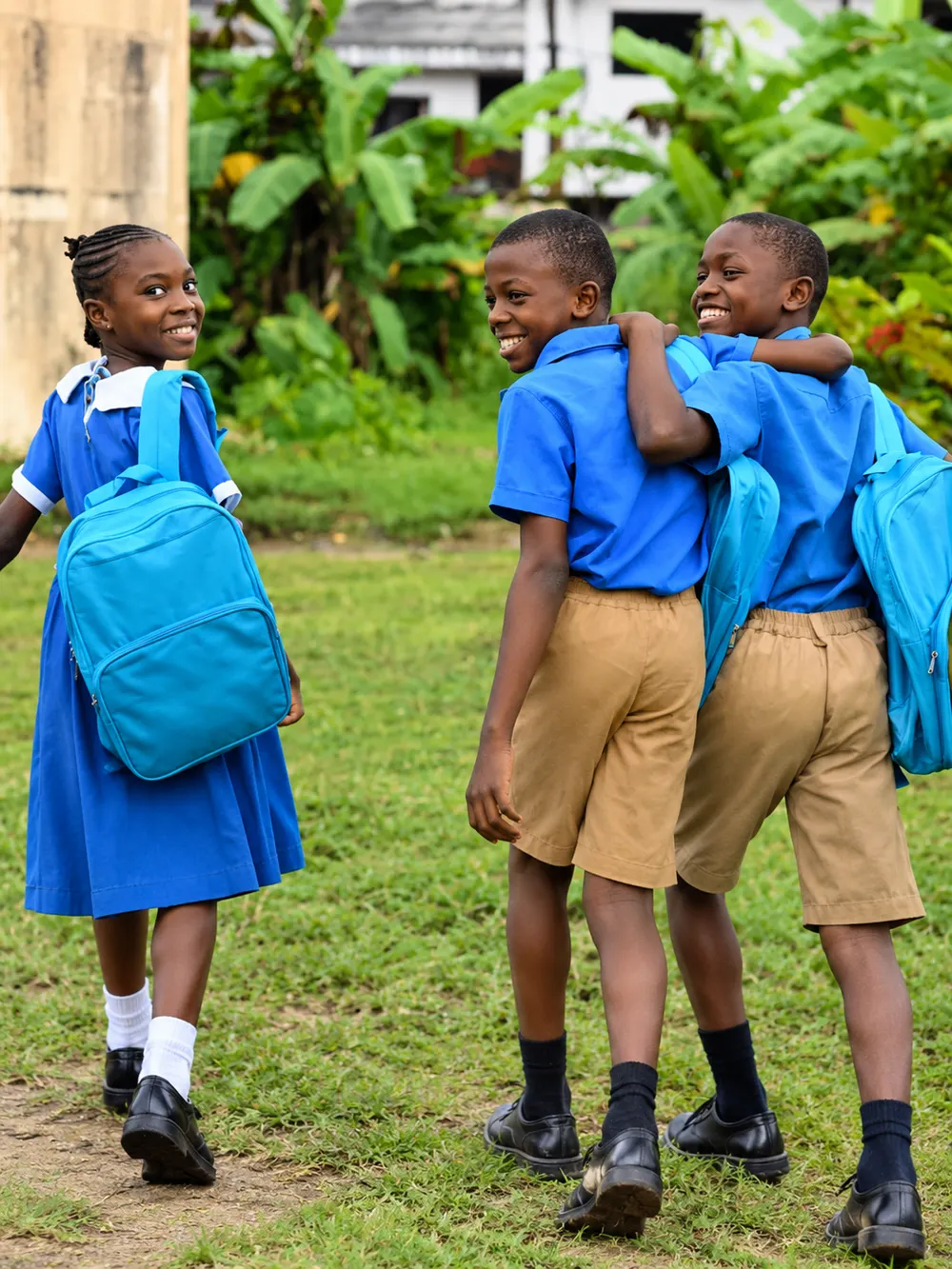
In Douala, Yaounde, Ebolowa, Bertoua, Ngaoundere, Bafoussam, Maroua and Garoua, you can see moving batches of people inundating the streets and their surroundings. School buses circulate carrying children. Bright smiles show on the faces of learners, especially those going for their first time.
A one hour flight from Douala to Bamenda is not long, and the journey is comfortable enough. Only that comfort is quickly dispelled and replaced by discomfort and fear, as the dead streets of Bamenda welcome you. The gates of GBHS Atiala, GBHS Fundong, St Bede's College Ashing, GBHS Kumbo, GBGS Molyko and CCAST Kumba are all shut. Not because these schools do not want to welcome learners, but because of the fear of the unknown that has become tradition during resumption in the North West and South West.
This is the same country, the same government, and supposedly the same school calendar, but with completely different resumptions that get ignored and made to look like they are not the reality, while the narrative is pushed that resumption was as effective in the restive Anglophone regions as it was in the sister French speaking regions. This has gone on for almost ten years now, and Cameroonians have felt the pain, with our children becoming delinquent, illiterate and idle.
Who benefits from such a situation? No one. We are all feeling the heat. It is sad that a jaundiced sociopolitical reality about school resumption is routinely projected to the world to give the impression that our country is not sick. It has a serious malady, and we must stop pretending it affects only a few or does not affect us at all. It does. Whether English speaking or French speaking, if you do not feel it now, you will feel it someday. If a tiny village in the East has a problem, it is a national problem, not a village problem, because if you detach that village from Cameroon, our boundaries, our map and much else changes with it.
These ghost towns and lockdowns are not purely imposed from outside. There is fear, exhaustion and distrust of a state expected to protect people once they step out. The lockdown that began today was allegedly canceled by separatists in exile, citing the pain and cost borne by local people they no longer wished to cause. Cameroonians laughed at that statement, asking whether fighters in the bush still take orders from leaders abroad. This compounds the situation: the civilian population caught between orders from exiled leaders, fighters on the ground, and a government in Yaounde. At this point the people have become test subjects in a joint experiment none of them signed up for.
Beyond the immediate disruption, a decade of lockdowns, one week at the start of every September, plus the ghost towns scattered through the school year, produces children who have never known an uninterrupted school year. It discourages many from attending at all, and a generation's ambition is foreclosed before it starts. Meanwhile children in other regions go to school without fear, their futures intact, becoming what most Anglophone children will never become because of a crisis that is not theirs alone to carry. What grows from this is resentment, and more resentment, and it is resentment that threatens the fabric of national unity.
The state cannot keep staying silent and comfortable with a broken Anglophone school system, unless it is quietly saying the new normal is two countries pretending to be one.